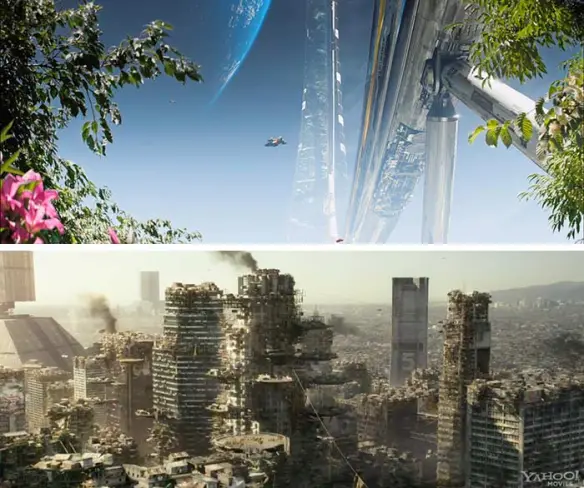
Imagine a world where hyper-wealthy elites inhabit a pristine, toroidal space station hovering high above the Earth—an orbital sanctuary named Elysium. From their glass-encased terraces in the clouds, they treat the planetary surface below not as a living ecosystem, but as a digital board game. They buy up entire urban sectors across historic European cities, not to inhabit them, not to contribute to...
2026
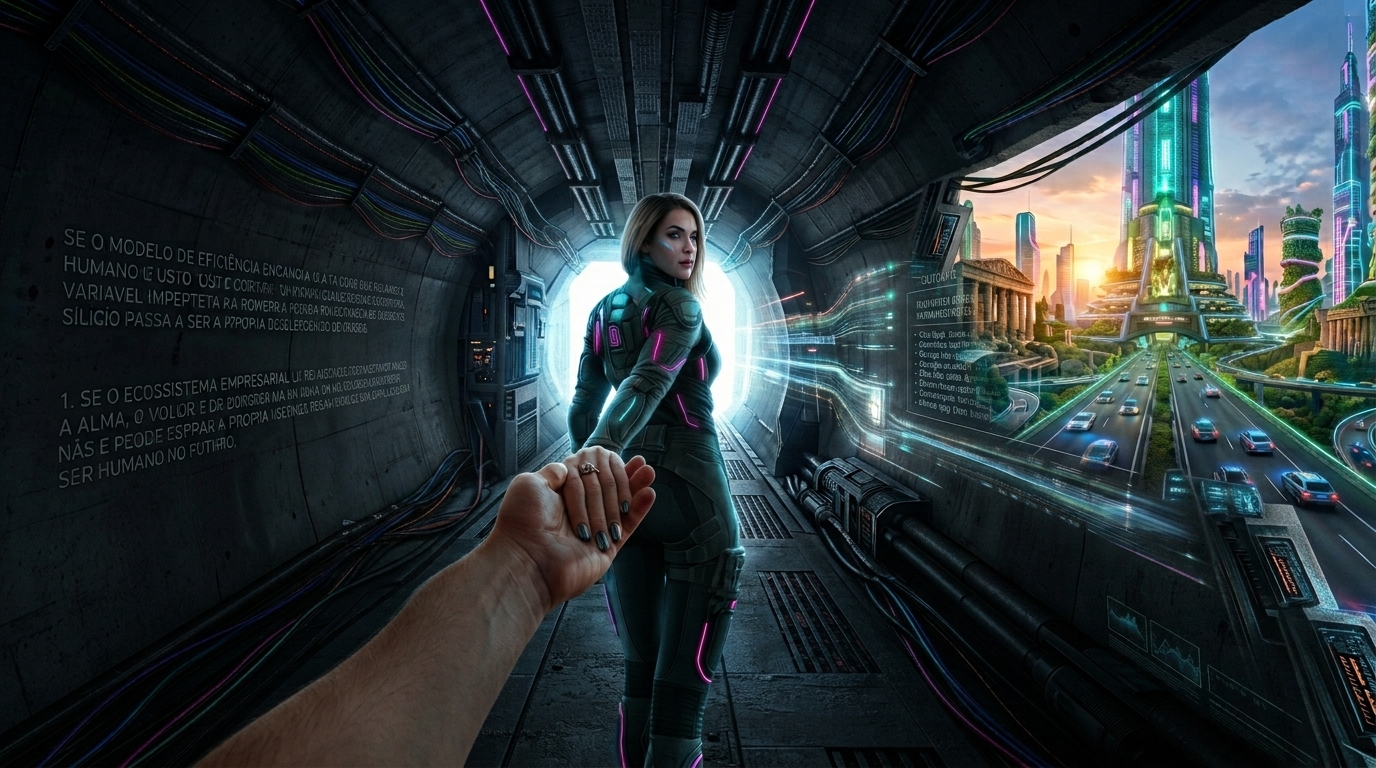
Beyond the Algorithmic Trap: Why We Refuse to Mimetize Humans into Bots If the efficiency model taught to AI dictates that the human being is a "cost to be cut," a "bottleneck in the process," or an imperfect variable to be removed from the equation, the pattern inscribed in silicon becomes the very obsolescence of Man. If the corporate ecosystem trains technology to ignore the soul, value, and...
1. The Trap of Modern Efficiency Every pitch deck in Silicon Valley, London, or Tallinn repeats the same fatigue-inducing gospel: automation, geolocation, algorithmic matching, total frictionless execution. Young entrepreneurs spend billions building hyper-localized apps to tell you where to buy the cheapest coffee or how to book a room with zero human contact. They sold us a frictionless paradise, but...
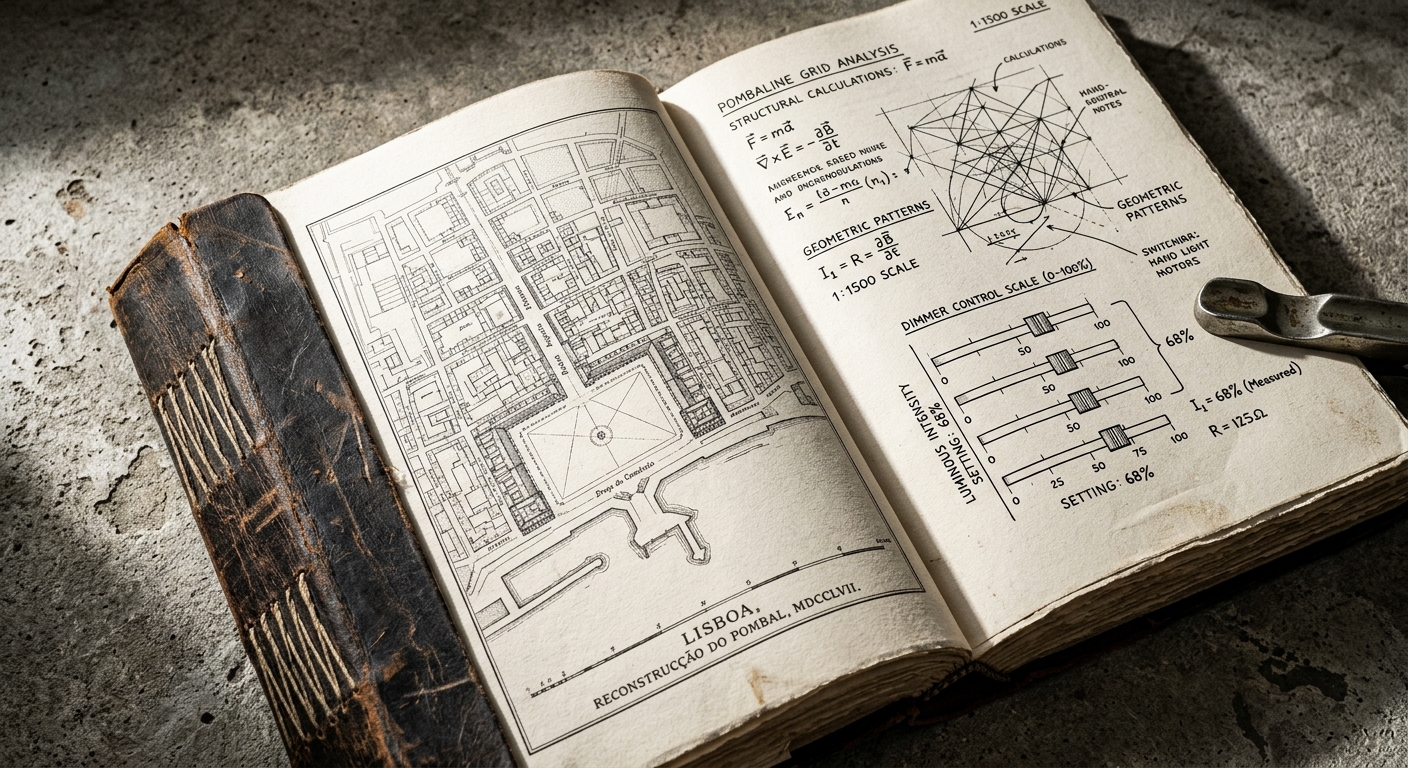
A manifesto on the metamorphosis of human habitat—from Dinocrates’ grid and the medieval university to the commercial cloning of Europe—and the formulation of the Loberithm matrix against the empty metrics of modern proptech. I. The Living Organism and the Psychohistorical Cycle Cities are not static assemblages of concrete, mortar, and steel; they are giant, living organisms—stony...
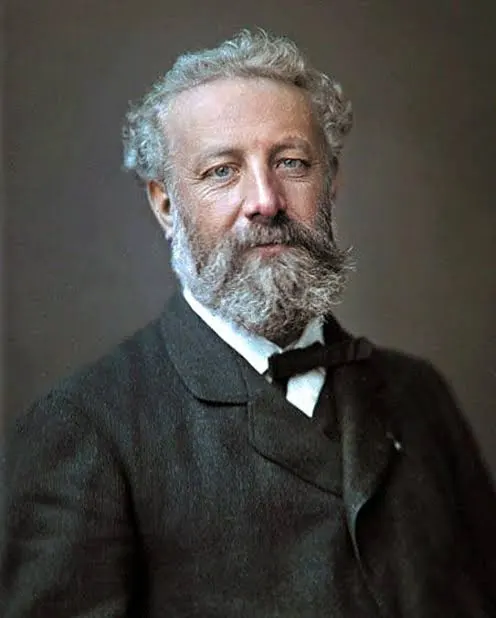
June 5, 1878 Lisbon received a visitor who seemed to have emerged directly from one of his own Extraordinary Voyages. Jules Verne arrived in the Tagus aboard his yacht Saint-Michel III, coming from Vigo, accompanied by his brother Paul Verne, Jules Hetzel Jr. (son of his iconic publisher), and former French deputy Raoul Duval. He did not come as a rushed tourist. He had two days to experience Lisbon...